“There is a small box sitting here – pointing to his heart
In that box is sitting Atman. Turn your attention here.
That is YOGA”
Sri Pattabhi Jois
Yoga is a philosophy of life — a path of transformation that refines the body, clarifies the mind, and opens the heart. When practiced in its correct sequential order, Ashtanga Yoga gradually leads the practitioner to rediscover their innate potential on every level of being: physical, psychological, and spiritual.
Through steady practice of breath (ujjayi prāṇāyāma), posture (āsana), and gazing point (dṛṣṭi), the senses become steady, and a deeper awareness of the Self begins to unfold. With devotion and regularity, this discipline brings lightness to the body and stillness to the mind.
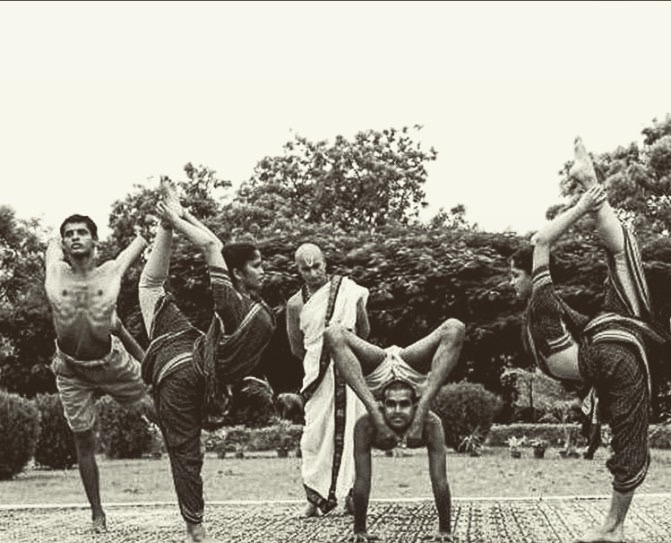
The Astānga Yoga method is a living tradition with the relationship between teacher and student at the epicenter of its transmission going back over 5,000 years. At the root, it is a spiritual practice that purifies the heart, body, and mind, illuminating one’s divine nature.
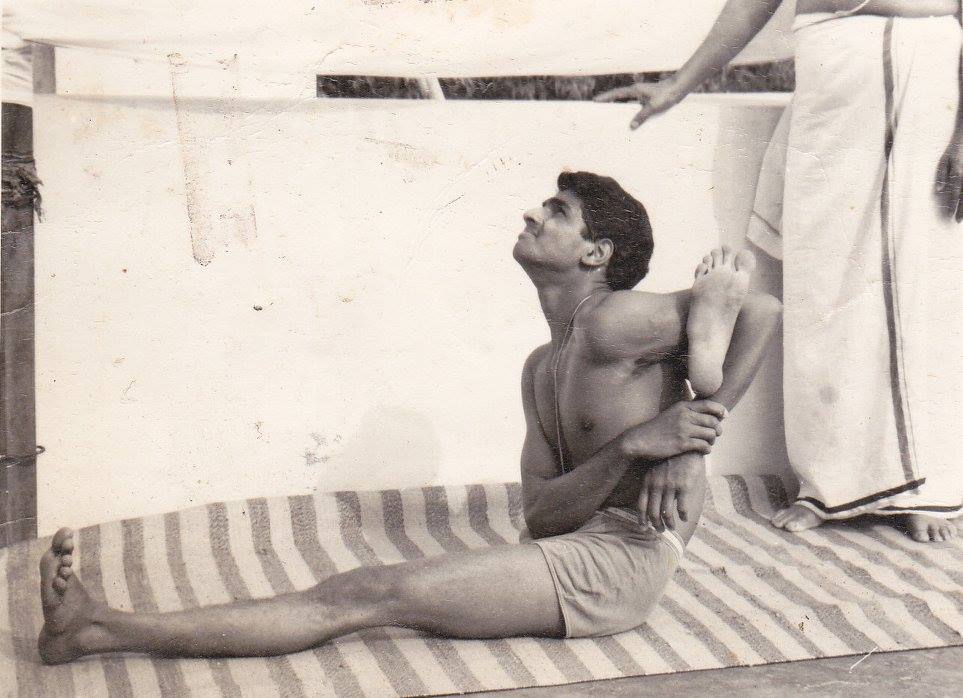
In modern times Astānga Yoga is linked to the late yoga master Sri K. Pattabhi Jois, otherwise known as Guruji (1915 – 2009), who passionately spread the beauty of the practice to countless people all over the world, following the teaching of Tirumalai Krishnamacharya (1888 – 1989) yoga teacher, Ayurveda healer and scholar referred to as “the father of modern yoga”
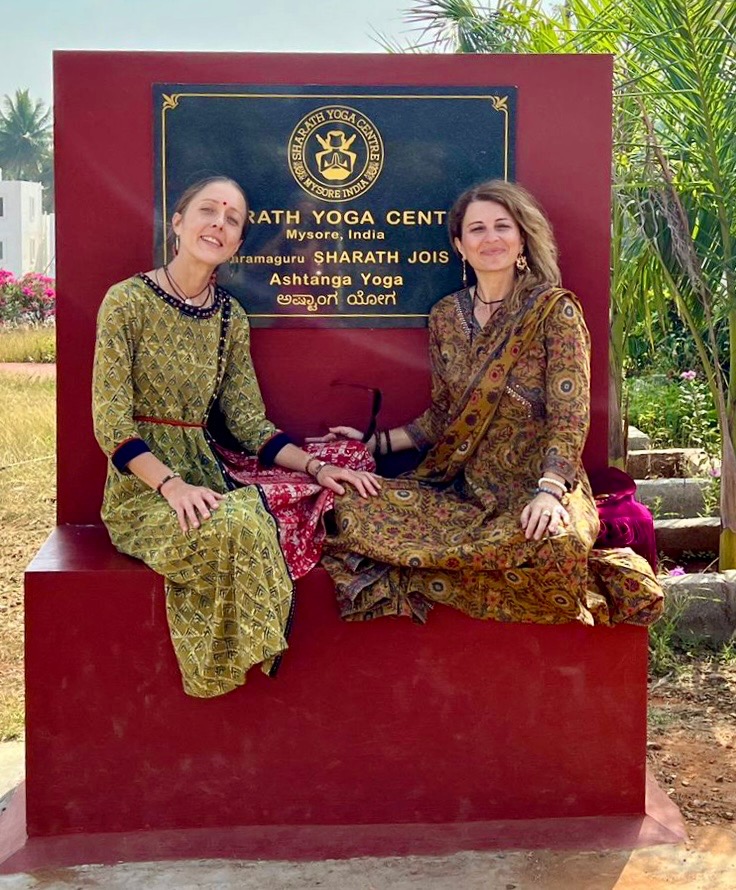
His teachings have been reverently carried forward by his daughter Sri Saraswati Jois at KPJAYI and Shri R. Sharath Jois and his family at Sharath Yoga Centre .
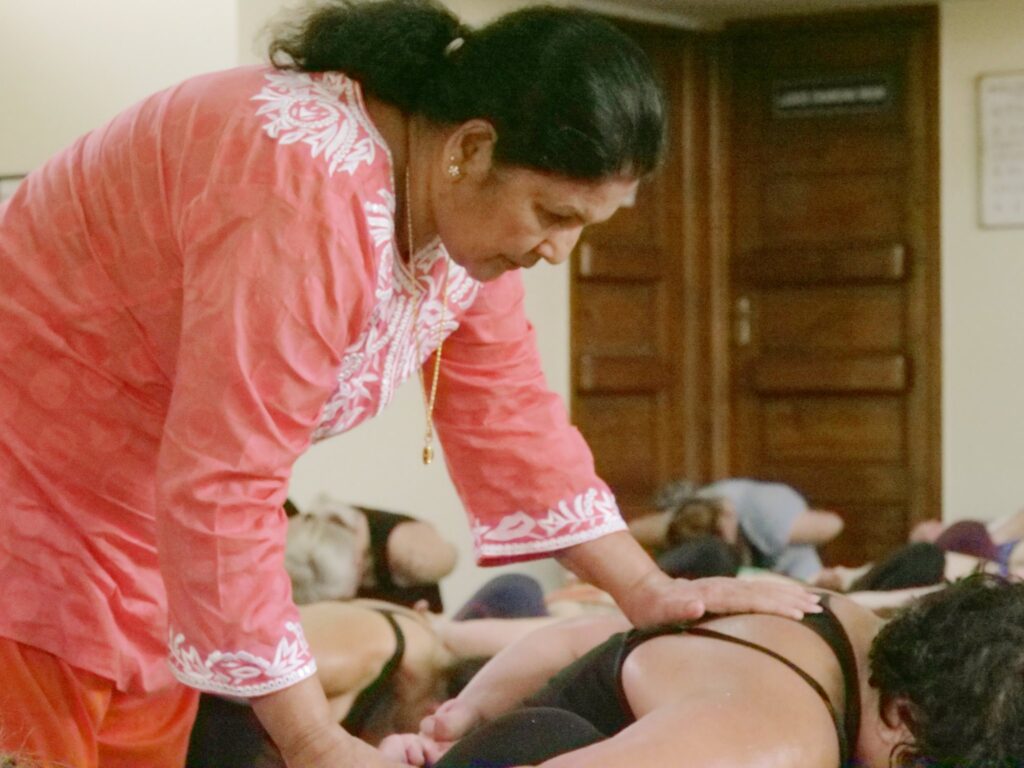
Aṣṭāṅga Yoga – The Practice
The word Ashtanga literally means “eight limbs.” It refers to the eightfold path described by Patañjali in the Yoga Sūtras:
Yama (ethical foundations), Niyama (inner observances), Āsana (posture), Prāṇāyāma (breath control), Pratyāhāra (withdrawal of the senses), Dhāraṇā (concentration), Dhyāna (meditation), and Samādhi (absorption).
These limbs support one another like branches of the same tree. The outer practices — āsana, prāṇāyāma, and the cultivation of ethical conduct — create stability and purity for the subtler limbs to blossom. When practiced sincerely, this path leads inward, towards stillness and the realization of one’s true nature.
Vinyasa means the art of synchronizing breath and movement. Each motion corresponds to an inhalation or exhalation, creating a rhythmic flow that generates internal heat. This heat purifies the blood, strengthens the body, and clears the mind.
As Guruji Pattabhi Jois often said, the purpose of vinyasa is purification.”The union of breath and movement cleanses the system, releasing toxins through sweat — a vital by-product of effort and focus. With correct breathing and the application of bandhas (internal locks), the practice becomes a moving meditation, cultivating strength, grace, and awareness.
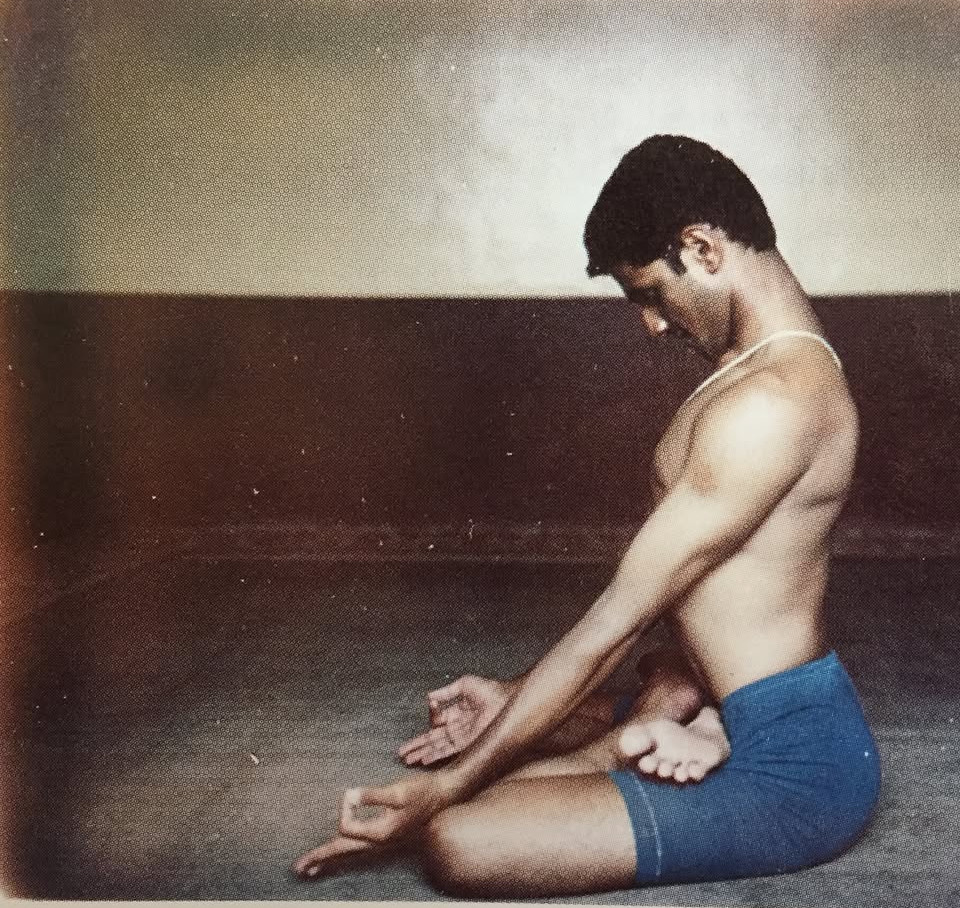
The Ashtanga method unfolds in progressive sequences:
Primary Series (Yoga Cikitsā) — therapy for the body, cleansing and aligning.
Intermediate Series (Nadi Śodhana) — purification of the nervous system, opening the subtle energy channels.
Advanced Series (Sthira Bhaga) — the cultivation of strength, steadiness, and humility.
Each posture prepares the next. Patience, attention, and humility are essential. Through this discipline, the practitioner learns that true progress is not measured by flexibility but by presence and devotion
A vital aspect of internal purification, as taught by Pattabhi Jois, concerns the six poisons that veil the spiritual heart. The yoga śāstra tells us that God resides within the heart as light, yet this light is obscured by six poisons: kāma (desire), krodha (anger), moha (delusion), lobha (greed), mātsarya (envy), and mada (sloth or pride).
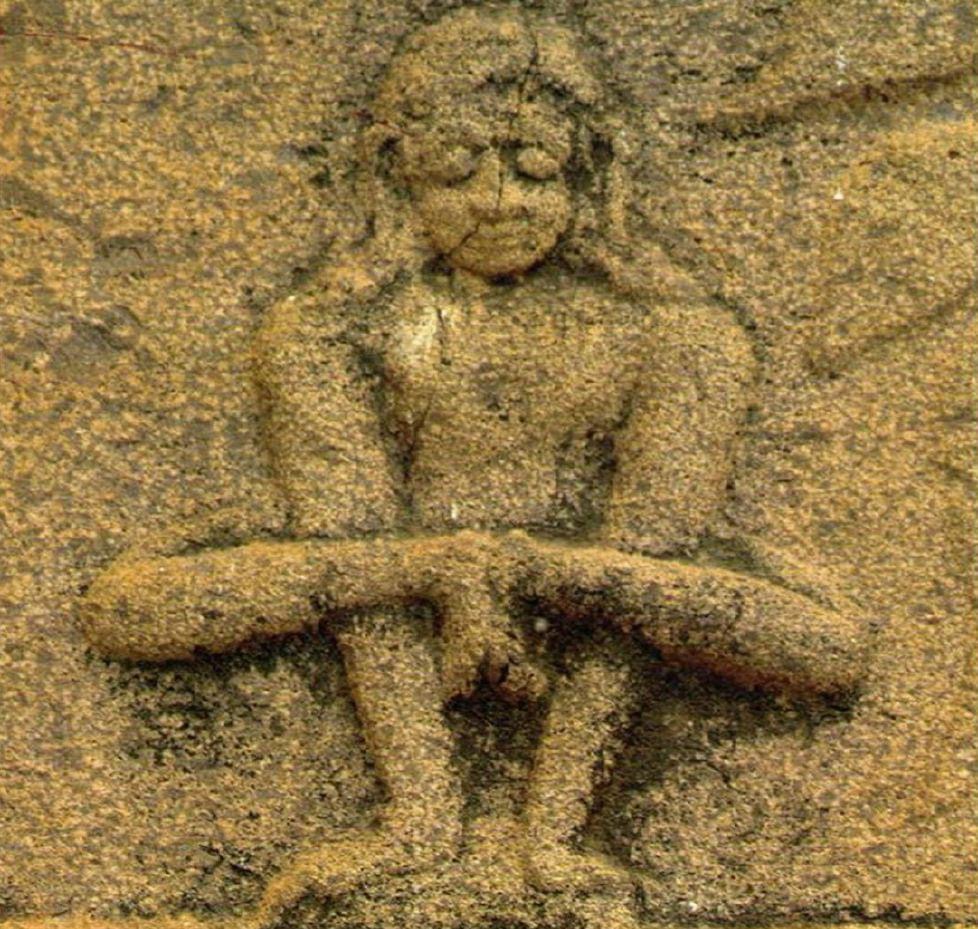
Through steady, dedicated practice sustained over time, the inner heat of yoga burns away these impurities, allowing the radiant light of our true nature to shine forth.